Sustainable fashion
for the future
Sustainable Apparel Manufacturing
While it is said that the fashion business in the world produces a large amount of waste, Parfun is serious about doing sustainable business with many sustainable activities.
We are reducing waste from the production process by utilizing body-sized fabrics, use only the minimum amount of water necessary in the dyeing factory, treat the water thoroughly until it is clean after use, and eliminate coal boilers by replacing them with gas boilers in order to reduce air pollution and CO2 emissions. We will continue to introduce new projects in the future.

Fair Trade & SDGS
Parfun's policy is not to just to take the highest profit, but to purchase materials at fair prices from everyone in the supply chain, including farmers and material suppliers. We are aiming for a business approach that ensures everyone a fair profit and a sufficient livelihood. We believe this is true sustainability.
Water treatment system
Parfun is aware of environmental issues and has been working on them for many years. In our fabric production plants, we use a lot of water in the dyeing process, but the water we use goes into a water treatment facility and is cleaned until it is clean before being discharged into the environment.

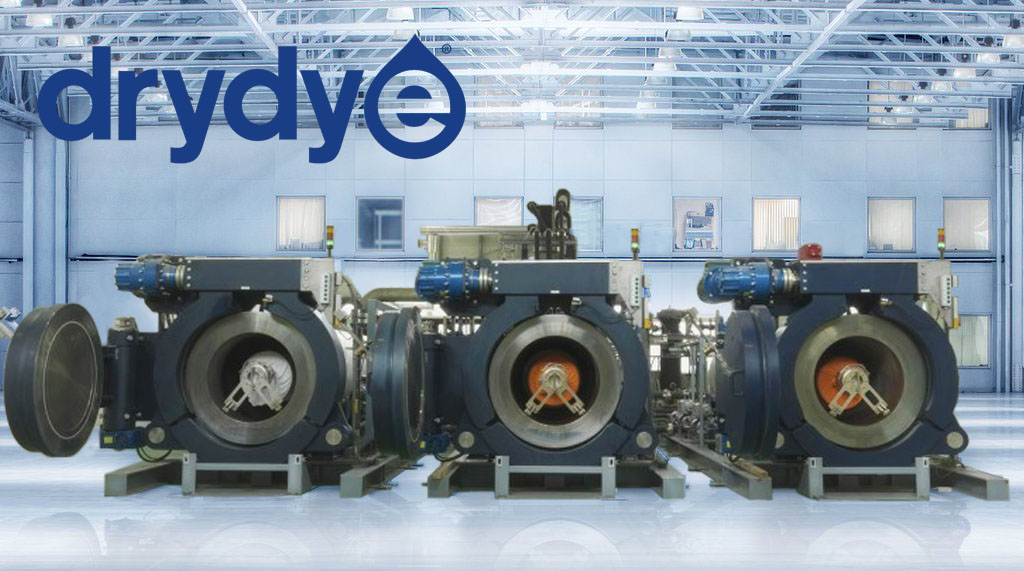
Dry Dye
The normal process of fabric dyeing uses large amounts of water. However, Drydye is a dyeing method that does not use water, saving the world's resources. Parfun group factories are able to provide customers with products dyed using drydye.
From coal boiler to natural gas boiler
The coal boilers used in the past emitted CO2 and coal ash, but starting in 2022, Parfun's fabric production plant has switched to natural gas boilers. This will enable a 70% reduction in CO2 emissions. This is the first fabric production plant in an ASEAN Country to do so.
Recycle Cloth, reduce waste
We all know that the apparel industry produces a lot of waste. Parfun is aware of this and started doing what we could to help. One of the successful projects is a project with a spinning company in Thailand to process fabric scraps from the cutting process and unwanted clothes into yarn again, and use the recycled yarn to bring new fabrics to life.
